Does breath focus work to reduce anxiety?
 March 4, 2025
 What exactly is breath focus or focussed breathing?
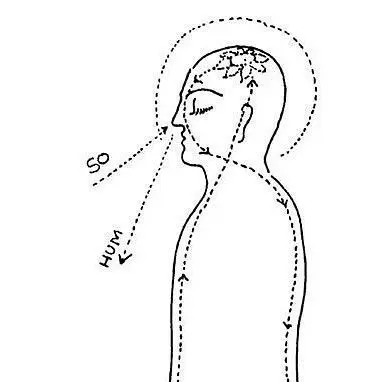
Breath focus involves directing your attention to your breathing patterns. By consciously slowing and deepening your breaths, you engage the body’s natural relaxation response. This practice is often a cornerstone of mindfulness, yoga, and meditation, which have long been recognized for their stress-reducing benefits.
How does it work?
- Slow, deep breaths stimulate the parasympathetic nervous system, which calms down the body by counteracting fight-or-flight response.
- When we feel anxious, we often feel our heartbeat increasing, our muscles tensing, and sometimes even difficulty breathing. Controlled breathing can ease these symptoms, creating a calming effect.
- When you’re anxious, your thoughts can spiral, making the situation feel worse. Breath focus shifts your attention away from worrisome thoughts, helping to interrupt this cycle.
Techniques to Try
Here are a few simple breath-focus techniques you can incorporate into your daily routine:
1. Box Breathing: Inhale for 4 seconds, hold for 4 seconds, exhale for 4 seconds, and hold again for 4 seconds. Repeat several times.
2. Diaphragmatic Breathing: Place one hand on your chest and the other on your abdomen. Breathe deeply so that only your abdomen rises and falls, keeping your chest still.
3. Counting Breaths: Inhale deeply, then exhale while counting each breath. Aim for 10 slow, mindful breaths.
But does it actually work?
There are a number of studies that actually support the assertion that focussed breathing helps to reduce anxiety. For instance, in a paper published by Jerath, Crawford, Barnes and Harden in 2015, they proposed that slow, deep breathing and cardiorespiratory synchronization may lead to homeostatic increases in cellular membrane potentials and a generalized decrease in intrinsic excitability of pacemakers such as the heart and amygdala, causing physiological inhibition of negative emotions, which makes these breathing techniques appropriate to be used as first-line and supplemental treatments for stress, anxiety, depression, and some emotional disorders.
To conclude,
we can say that breath focus is a simple yet effective method to manage anxiety. It’s free, accessible, and can be practiced anywhere. Whether you’re preparing for a big presentation or calming yourself before bed, taking a few deep breaths can make a world of difference.
March 4, 2025