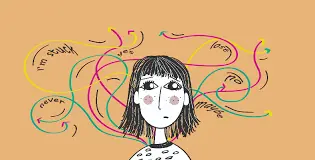
ADHD in Women: A Comprehensive Checklist and Unspoken Realities
 March 17, 2025
 What is ADHD?
ADHD is a condition that affects attention, activity levels, and self-control. It shows up in two main ways:
- Inattention: Trouble focusing, getting distracted, or feeling disorganized.
- Hyperactivity-Impulsivity: Restlessness, acting without thinking, or constant movement.
There are three types of ADHD:
- Predominantly Inattentive
- Predominantly Hyperactive-Impulsive
- Combined Presentation
These symptoms affect daily life, persist over time, and can cause significant challenges. (Read more)
How ADHD Looks Different in Women
ADHD in women doesn’t always fit the traditional picture. Here’s how it can differ:
- Inattentive Symptoms: Women may appear forgetful, disorganized, or “lazy.”
- Emotional Challenges: They might feel overwhelmed or overly emotional, often called "too sensitive."
- Late-Onset Awareness: Symptoms often become noticeable during big life changes like starting college, work, or motherhood.
- Hormonal Changes: ADHD symptoms can worsen during menstrual cycles, pregnancy, and menopause.
Some common signs include:
- Daydreaming or losing track of time.
- Forgetting important things like appointments.
- Feeling stressed or inadequate.
- Emotional ups and downs.
- Struggling in relationships.
- Looking back and feeling held back by missed opportunities.
The Struggles Women with ADHD Face
- Bias in Diagnosis:
- Boys are more likely to be diagnosed because their symptoms are more visible.
- Girls often mask their symptoms, making them harder to spot.
2. Social and Emotional Impact:
- Women may have trouble keeping relationships due to mood swings.
- Many experience bullying or social rejection.
3. Overlapping Conditions:
- Anxiety, depression, and other emotional struggles often coexist with ADHD.
- These can overshadow ADHD, delaying proper treatment.
4. Daily Life Challenges:
- Struggles with school, work, and maintaining routines.
- Higher risk of early pregnancies and substance use.
A Comprehensive Checklist for Women
Here’s a checklist to help identify possible signs of ADHD in women:
- Do you frequently lose or misplace things like keys, phones, or wallets?
- Do you struggle with time management or often run late?
- Are you easily distracted, even during important tasks or conversations?
- Do you feel overwhelmed by daily responsibilities?
- Have you experienced difficulty maintaining long-term relationships?
- Do you frequently forget appointments or deadlines?
- Are you highly sensitive to criticism or prone to emotional outbursts?
- Do you often feel restless or have trouble relaxing?
- Have you struggled academically or professionally, despite significant effort?
- Do you tend to procrastinate or avoid tasks that require sustained mental effort?
If you answered "yes" to several of these questions, consider consulting a healthcare professional for an assessment. (Read more)
Why Getting Diagnosed Matters
Getting diagnosed can be life-changing. Many women feel relief, and finally understand their struggles. It allows them to:
- Start treatments like medication or therapy.
- Develop new coping strategies.
- Focus on their strengths and build confidence.
Breaking the Stigma
ADHD is not a character flaw. Here’s how we can support women:
- Challenge Biases: Teach parents, teachers, and doctors about ADHD in girls.
- Share Stories: Encourage women to speak up about their experiences.
- Improve Access: Make assessments and treatments more available.
ADHD doesn’t define a person. With the right support, women with ADHD can thrive. Let’s continue raising awareness, offering support, and changing lives.
What’s Next?
If you think you or someone you love might have ADHD, consider reaching out to a mental health professional. Diagnosis and treatment can make a world of difference.
March 17, 2025